About the Makalu Region Archive
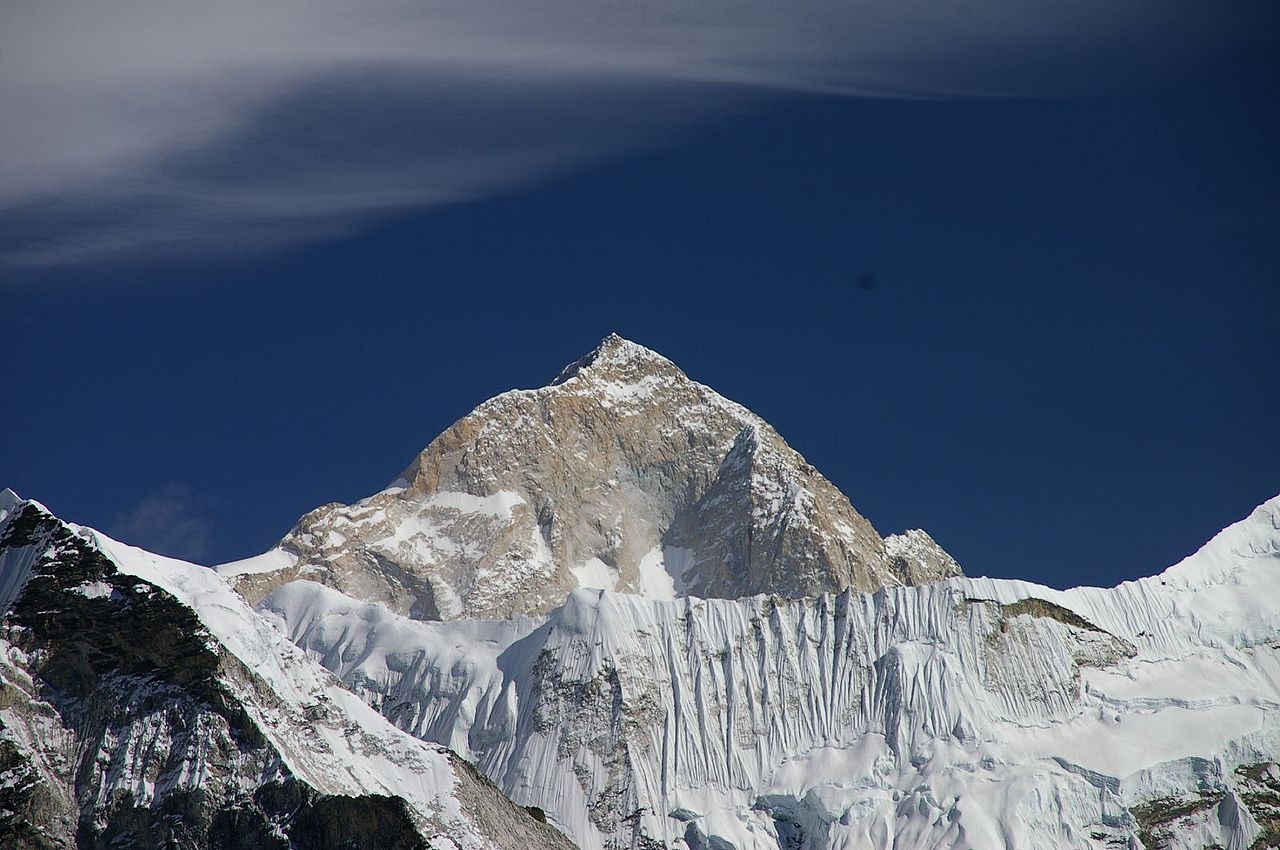
Makalu (8,485 m), the world’s fifth-highest mountain, stands about 19 km southeast of Everest on the Nepal–China border. Its four-sided pyramid makes it one of the most striking of the big peaks and one of the harder ones: its upper sections are steep and exposed, and its approach through the Barun valley is long and remote. Climbers usually fly to Tumlingtar and travel via Num and Seduwa, or fly by helicopter directly to Base Camp.
Makalu sees far fewer climbers than Everest or Manaslu, so events there get less coverage and are easy to lose track of. This Log keeps them together, including those on its neighbour Makalu II (Kangchungtse) and in the Makalu-Barun National Park.
Places this archive tracks
- Tumlingtar and Khandbari — gateway airport and district headquarters (Sankhuwasabha)
- Num, Seduwa and Tashigaon — trail villages
- Shipton La / Khongma La — high passes on the approach
- Barun valley and Makalu Base Camp (~4,870 m)
- Advanced Base Camp and Camps 1–4
- Makalu II (Kangchungtse, 7,678 m)
- Makalu-Barun National Park
How each entry is built
Every event gets its own dated entry on this Log’s timeline. The entry date is the date the event happened, not the date it was written up, so the timeline reads as history even when an old event is added years later. Each entry opens with the same fact table: event date, location, type, impact (deaths, injuries, missing, displaced where relevant), verification status and current status. The write-up follows, then the sources it was built from.
Event types used here: climbing accident, avalanche or storm, trekking accident, aviation or helicopter incident, missing persons, earthquake or flood, rescue and evacuation, infrastructure and connectivity, regulation and permits, environment and waste, and major historical events.
Verification levels
- Unverified: early reports only; details likely to change.
- Partially verified: at least one credible source confirms the event, but key details (names, numbers) are incomplete or disputed.
- Verified: confirmed by an official body or by several independent, reliable outlets.
When figures differ between sources, which is common for death tolls in the first days after a disaster, the entry says who reported which number instead of quietly picking one. When new information emerges, the original entry gets a Correction or Source note attached to it rather than being rewritten, so the record of what was known and when stays intact.
Sourcing and originality
Entries are written from notes, in Merolog’s own words, after reading at least two independent sources. Direct quotes are short, in quotation marks and credited. Photographs come only from freely licensed collections such as Wikimedia Commons, with the photographer and licence named under each image; news agency photos are never copied. Preferred sources are official bodies (Nepal’s Department of Tourism, Nepal Police, the government’s aircraft accident investigation commissions, ICIMOD, conservation-area offices and local municipalities), established Nepali outlets (The Kathmandu Post, The Himalayan Times) and specialist mountaineering reporting (Explorersweb, Alan Arnette, the American Alpine Club).
Follow this Log to be notified when a new Makalu region entry is added.
Last reviewed 29 September 2026. Written in Merolog’s own words from the sources listed; where sources disagree, each figure is attributed rather than merged. Spotted an error or a newer figure? Leave a comment on this entry.